What a tarmac driveway is and how it is laid
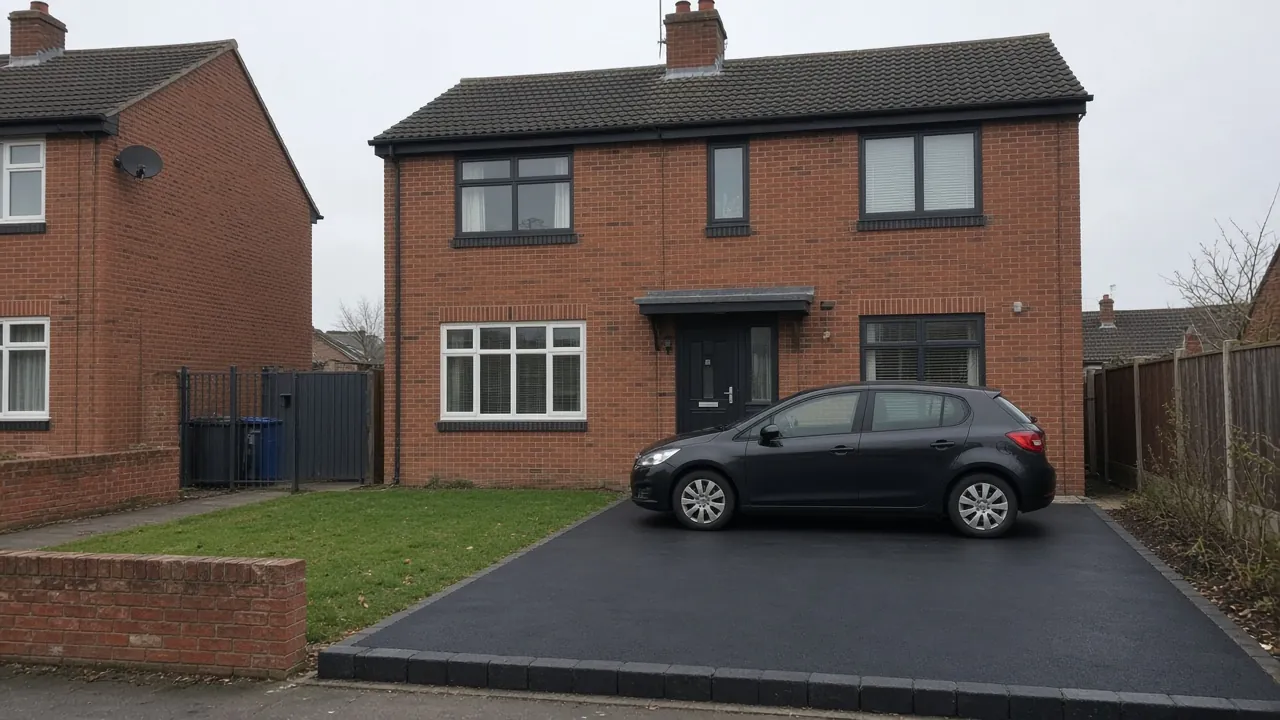
What most people call tarmac is, strictly, asphalt or bitumen macadam: crushed stone bound together with bitumen and laid hot. (The name comes from the older tar-bound macadam, which is no longer used on driveways.) It arrives from the plant at high temperature, is spread and levelled by hand or with a small paver, and is rolled while it is still hot so that the stones lock together.
A new tarmac driveway is normally built like this:
- Excavate to around 150mm to 200mm, deeper on soft or clay ground, and remove old surfaces and soil.
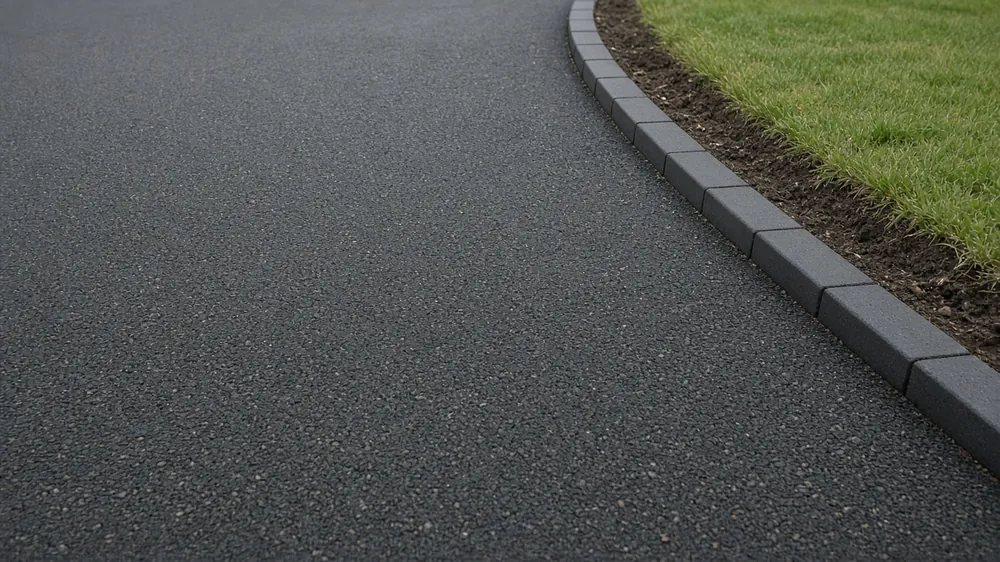
- Install edging. Kerbs, edging blocks or timber boards hold the edges. Without them, tarmac edges crumble and break away over time.
- Lay and compact the sub-base. Crushed stone, typically 100mm or more, compacted in layers. A geotextile membrane helps on clay and stops the stone sinking into the soil.
- Lay the binder course. A thicker, coarser layer of tarmac, often around 50mm to 60mm, which gives the drive its strength.
- Lay the surface course. A finer layer, often around 20mm to 30mm, gives the smooth, closed finish you see.
- Roll and seal the edges. A heavy roller compacts each layer. Edges and joints can be sealed with hot bitumen to keep water out.
Tarmac must be laid at the right temperature. If it cools too much before rolling, it does not compact properly, and the surface becomes open and loses stones. That is one reason why the gang and the timing matter, and why tarmac is not usually laid in heavy rain or hard frost.
A typical two-car tarmac drive takes one to three days, depending on how much digging there is. You can usually walk on it within hours and drive on it after a day or two, but avoid turning the steering wheel while stationary for the first few weeks in warm weather, as fresh tarmac is still soft enough to scuff.
Colours. Black is standard. Red tarmac costs a little more and is often used on longer drives or with a block paving border. Decorative chippings can be rolled into the surface for a textured, lighter look, sometimes called tar and chip.
How much does a tarmac driveway cost in Middlesbrough?
Checkatrade's April 2026 guide puts a new tarmac driveway at about £90 per square metre for supply and installation:
| Driveway size | Approximate cost |
|---|---|
| Small, single car (20m²) | about £2,200 |
| Medium, two cars (50m²) | about £4,500 |
| Large, multiple cars (100m²) | about £7,000 |
Source: Checkatrade driveway cost guide, April 2026. National averages; get a written quote for your own drive.
Larger areas often come in cheaper per square metre because the gang, the plant and the roller cost about the same whatever the size. That is why tarmac is common on long drives, farm tracks and shared access lanes.
What affects your price:
- Full new build or overlay. Laying a new surface course over a sound existing tarmac drive is much cheaper than digging out and starting again.
- Excavation and disposal, especially breaking out old concrete.
- Edging. Block kerbs cost more than timber but last longer and look neater.
- Red tarmac or decorative chippings.
- Drainage. Standard tarmac is impermeable, so on a front garden you may need channel drains and a soakaway (see below).
- Access for machinery. A narrow terrace front means more hand work.
Make sure your quote states the depth of each layer and the sub-base. "Tarmac driveway" on its own tells you very little.
Resurfacing an old tarmac or concrete drive
If your existing drive is basically sound, you may not need a full rebuild.
Tarmac over tarmac. If the old surface is worn, grey and losing stones but is not sinking or badly cracked, a new surface course can be laid on top after cleaning, repairing potholes and applying a tack coat (a bitumen spray that helps the new layer stick). Check that raising the level will not cause problems at the garage door, doorstep or air bricks. Your finished drive needs to stay at least 150mm below the damp-proof course of the house.
Tarmac over concrete. This is possible if the slab is stable, but cracks and joints in the concrete often reflect back through the tarmac within a few years. Many installers prefer to break the slab up.
When a rebuild is needed. Dips that hold water, ruts from tyres, widespread cracks, or a drive that rocks or moves underfoot all point to a failed sub-base. Resurfacing on top of that just buys a short time.
A survey will usually tell you which option fits. On many of the 1960s and 1970s houses around Middlesbrough, the original drive was a thin layer laid on very little base, so a full rebuild is common when the owner wants it to last.
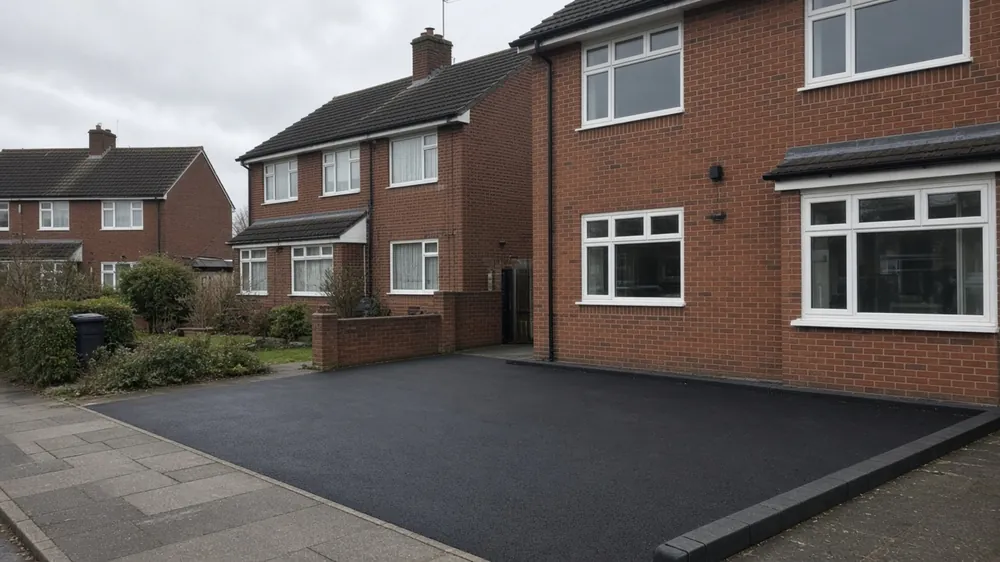
Front gardens, rainwater and planning rules
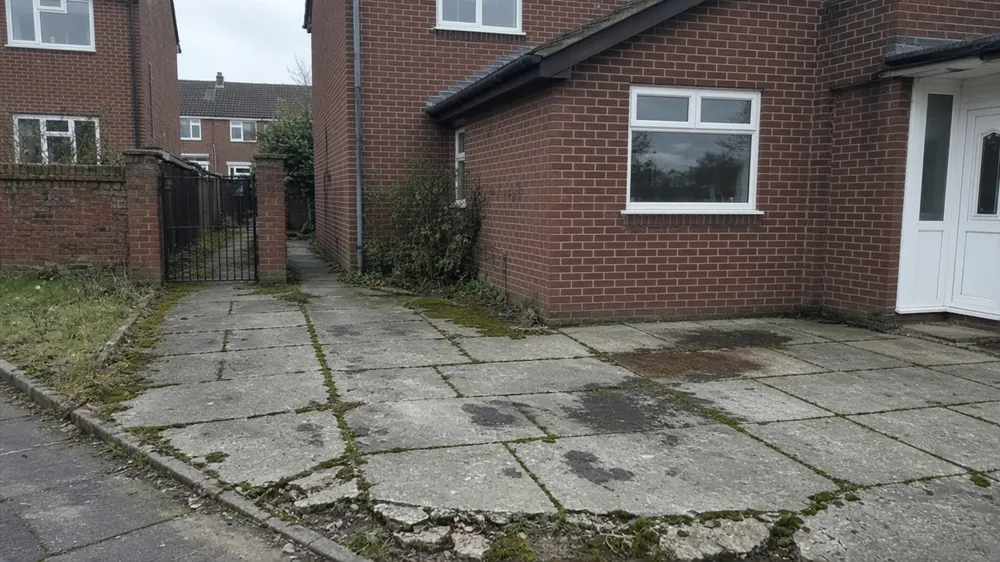
Standard tarmac is impermeable. Under England's rules since October 2008, if you cover more than five square metres of a front garden with an impermeable surface that drains onto the road or pavement, you need planning permission. To avoid that, the drive can be laid to fall towards a lawn, border or soakaway on your own property, or channel drains can collect the water and send it to a soakaway. Porous asphalt is also available, but it needs a matching open-graded base and is less common on domestic drives.
On Middlesbrough's heavy clay, a soakaway has to be big enough to cope, and sometimes a rain garden or permeable strip is a better answer. Conservation areas and listed buildings have extra controls. If your drive will cross a public pavement, you also need a dropped kerb licence from the council. See dropped kerbs.
Avoiding doorstep tarmac offers
Trading Standards services across the UK regularly warn about people who knock on the door offering to tarmac a drive cheaply, often with "leftover" material from a nearby job. Common signs:
- A price given on the doorstep without measuring.
- Pressure to agree today.
- No written quote, address or landline.
- Requests for cash or a large deposit.
What tends to follow is a thin layer of tarmac laid over soil with no proper base, which breaks up within months, sometimes after the price has risen sharply mid-job. Under UK consumer law, if a contract is agreed in your home you generally have a 14-day cancellation period. A genuine installer will measure, explain the build-up, give you a written quote and leave you to decide.
Looking after tarmac
- Sweep regularly and keep leaves off, as rotting leaves encourage moss.
- Wipe up fuel or oil spills quickly, as they soften bitumen.
- Avoid heavy point loads such as skip feet, caravan jacks or motorbike stands on hot days. Put a board underneath.
- Fill small cracks before water gets in and freezes.
- A bitumen-based sealer can refresh faded tarmac and help keep water out.
- Weeds at the edges are usually a sign the edging has opened up.
Built on a good base, a tarmac driveway gives many years of service. Installer guides often quote around 15 to 20 years before a resurface is needed.
Tarmac compared with other surfaces
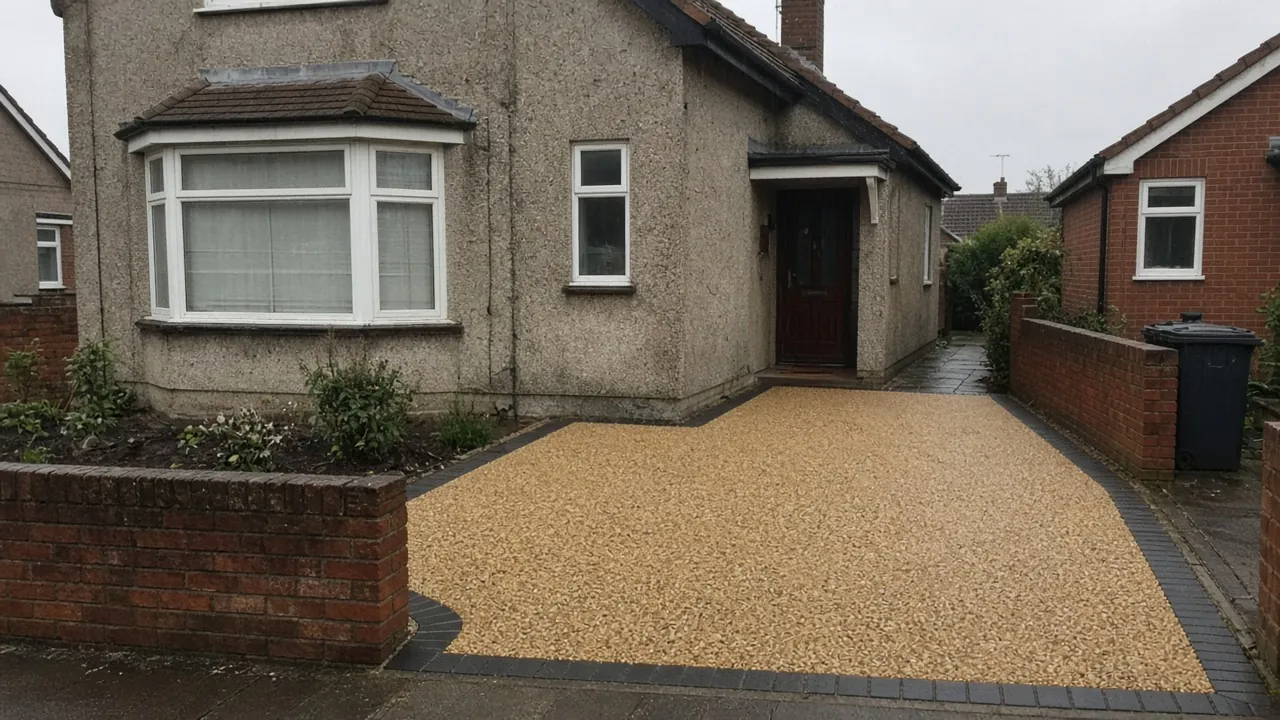
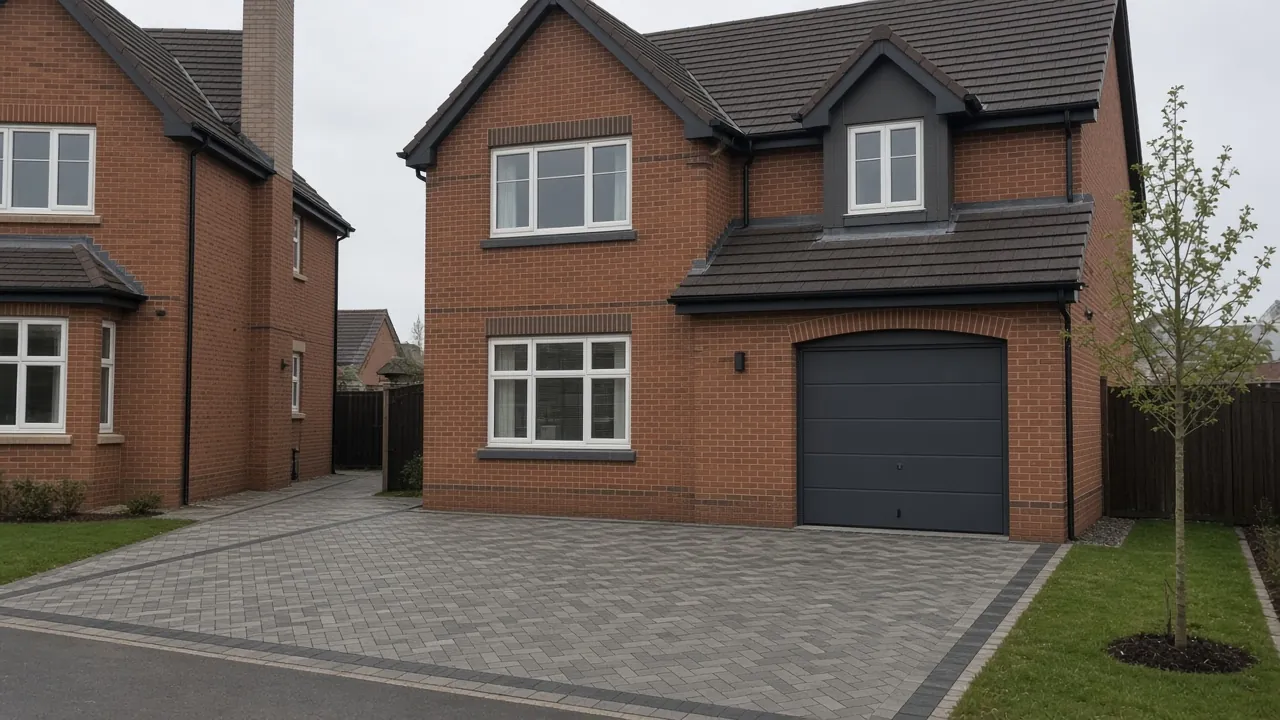
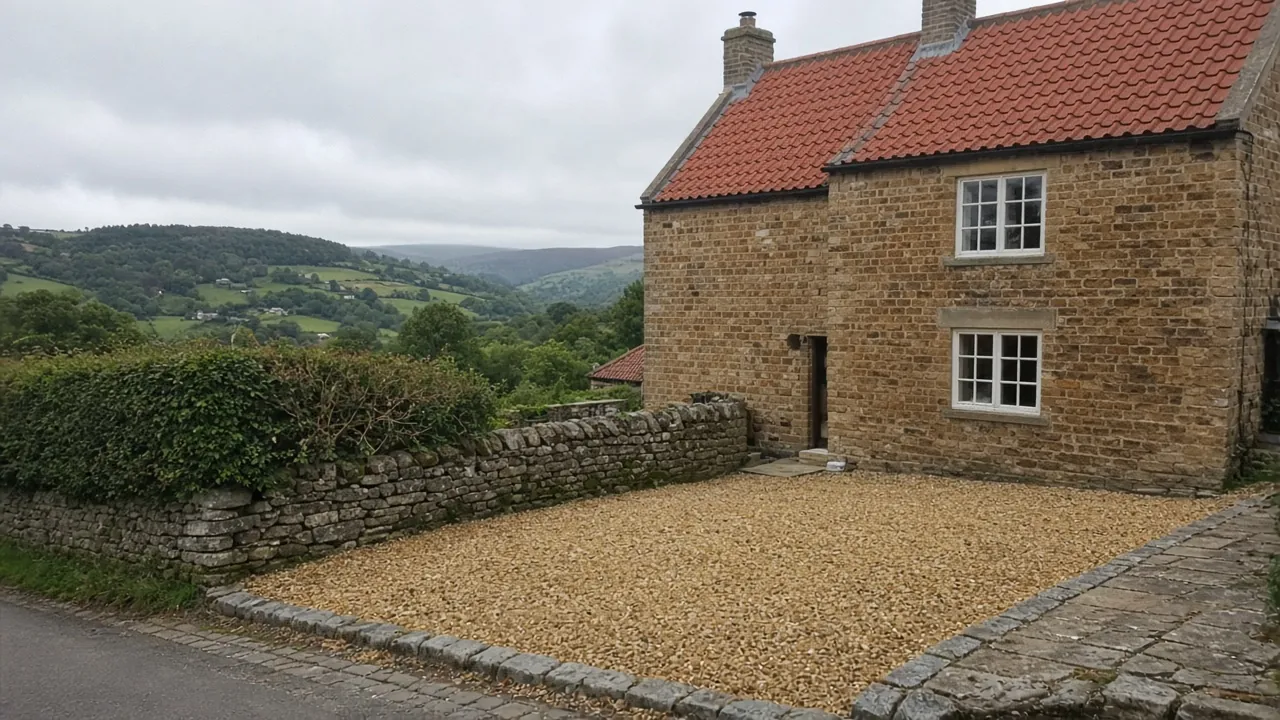
Tarmac is usually cheaper than block paving or resin, quicker to lay and very durable. It is plainer to look at, limited in colour and not porous. Gravel is cheaper still and drains naturally, but it moves around and is harder underfoot for wheelchairs and pushchairs. A popular compromise is a tarmac main drive with a block paving border, which gives a neater edge and a bit of colour for a modest extra cost.
Questions people ask
How much does a tarmac driveway cost per m²?
About £90 per square metre on Checkatrade's April 2026 UK averages. Larger drives tend to cost less per m². Resurfacing a sound existing drive is cheaper than a full new build.
How long does a tarmac driveway last?
Installer guides often quote around 15 to 20 years before resurfacing is needed, longer with good edging and occasional sealing. The sub-base is what decides it.
Can new tarmac be laid over old tarmac?
Yes, if the old drive is stable and not sinking. It is cleaned, repaired, tack-coated and given a new surface course. Check that levels stay well below your damp-proof course.
Does a tarmac driveway need planning permission?
On a front garden, if it covers more than 5m² and drains onto the road, yes. If it drains to a lawn, border or soakaway on your property, it does not usually need permission.
How soon can I drive on new tarmac?
Usually after a day or two. Avoid sharp turning on the spot and heavy point loads for the first few weeks, especially in warm weather.
Is red tarmac more expensive?
Yes, usually a little more per square metre than black because the pigmented material costs more.