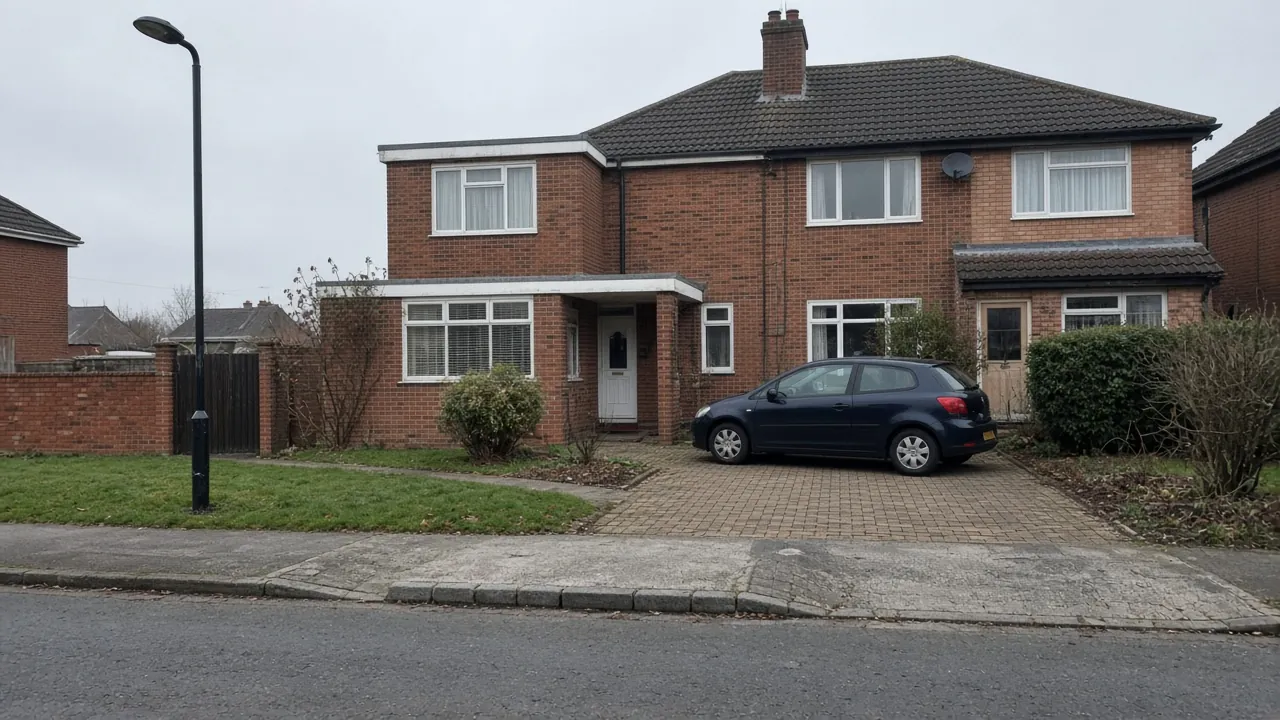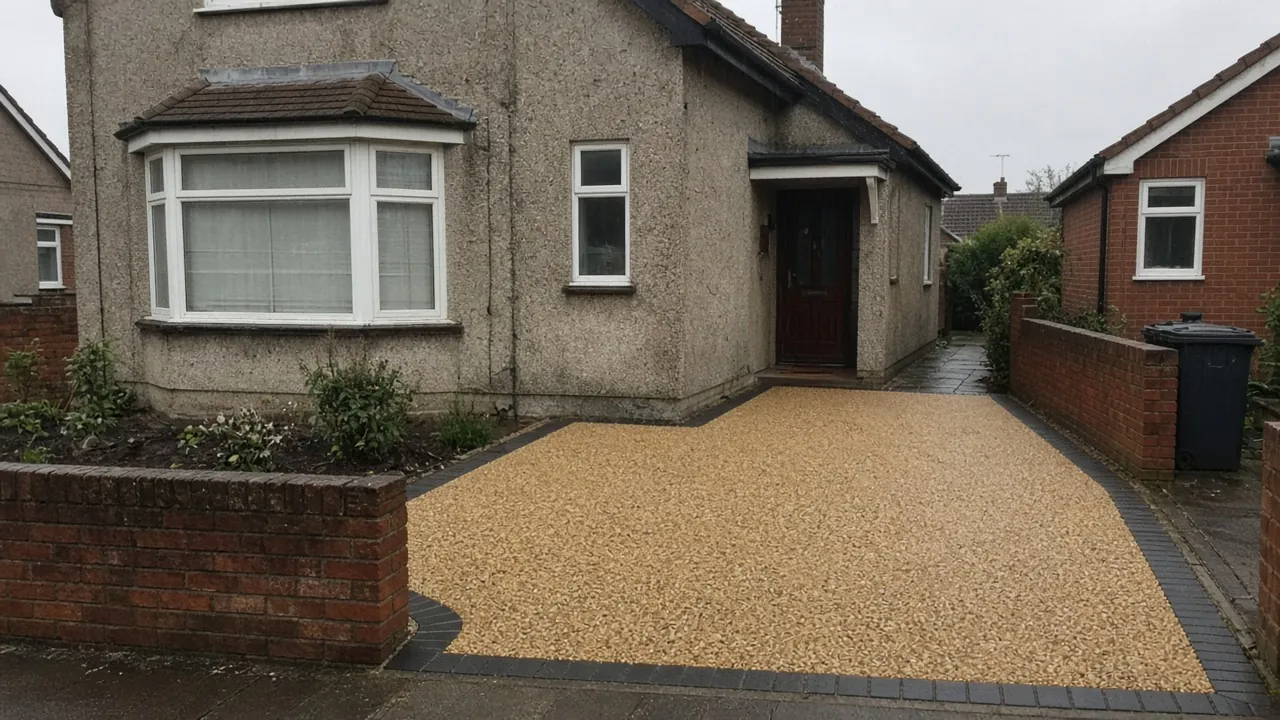
What a resin bound driveway is and how it is laid
A resin bound driveway is a mix of dried natural aggregate, small stones and crushed quartz or marble, coated in clear UV-stable polyurethane resin and trowelled by hand to a smooth, even finish. It is usually 15mm to 18mm thick for driveways. Because every stone is fully coated and the mix is laid in one go, there are no joints, no loose stones and nowhere for weeds to root from above. The tiny gaps between the stones let water drain straight through, which is why resin bound is classed as a permeable surface.
That top layer is thin, so it relies completely on the base. Resin bound is not laid onto soil or loose hardcore. It goes over a solid, stable, porous base, most commonly open-graded (porous) tarmac or, sometimes, concrete with drainage. The usual build for a new driveway looks like this:
- Excavate to around 150mm to 200mm, removing old concrete, slabs, turf and soil.
- Edge with kerbs, blocks or steel or aluminium edging so the resin has a clean line to finish against.
- Lay a sub-base of compacted crushed stone, often with a geotextile membrane beneath on soft or clay ground.
- Lay a porous tarmac base and let it cool and harden.
- Mix and trowel the resin in batches, working quickly so each batch blends seamlessly with the last.
- Cure. Resin needs dry conditions while it is being laid and time to harden afterwards. It is normally walkable after several hours and ready for cars after a day or two, depending on temperature.
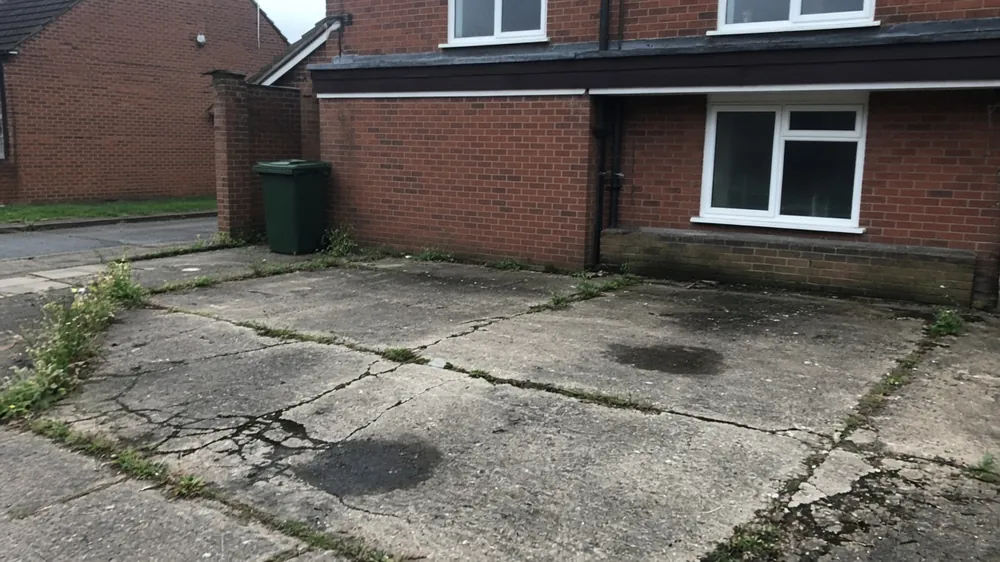
Can resin go over an existing drive? Sometimes. If you already have sound tarmac or concrete with no major cracks, sinking or movement, resin can be laid over the top after cleaning and priming, which saves the cost of digging out. If the old surface is breaking up, the cracks will come back through. A good surveyor will tell you honestly which camp your drive is in. On Middlesbrough's older concrete drives, many of which date from the 1960s and 1970s and have cracked across the middle, a full dig-out is often the safer option.
Resin bound versus resin bonded. These sound the same and are not. Resin bound mixes stone and resin together before laying, giving a smooth, porous surface. Resin bonded spreads resin onto a solid base and scatters loose gravel on top, so you get a rougher, non-porous finish that can shed stones. Most homeowners asking for a "resin driveway" mean resin bound, and that is what this page covers. Check which one is on any quote you receive.
Weather matters more for resin than for most surfaces. Resin cannot be laid on a wet base or in rain, and very cold or very hot days change how fast it cures. Teesside is relatively dry by English standards, but autumn and winter installs can be pushed back by a run of wet days. Spring to early autumn is the easiest window.
How much does a resin driveway cost in Middlesbrough?
Checkatrade's April 2026 guide puts resin bound at around £120 per square metre for supply and installation, made up of about £70 of materials and £50 of labour. On those figures:
| Driveway size | Approximate cost |
|---|---|
| Small, single car (20m²) | about £2,800 |
| Medium, two cars (50m²) | about £6,000 |
| Large, multiple cars (100m²) | about £10,000 |
Source: Checkatrade driveway cost guide, April 2026. These are national averages. Your quote will depend on your drive.
What makes one resin quote higher than another:
- New base or overlay. Digging out and laying a new porous tarmac base is the biggest extra. Overlaying a sound existing surface is cheaper.
- Aggregate choice. Standard natural gravel blends cost less than marble, quartz or specialist colours. Larger, smoother aggregate can need more resin.
- UV-stable resin. Cheaper aromatic resins can yellow in sunlight, especially on lighter stone colours. UV-stable (aliphatic) resin costs more but keeps its colour. Ask which is being used.
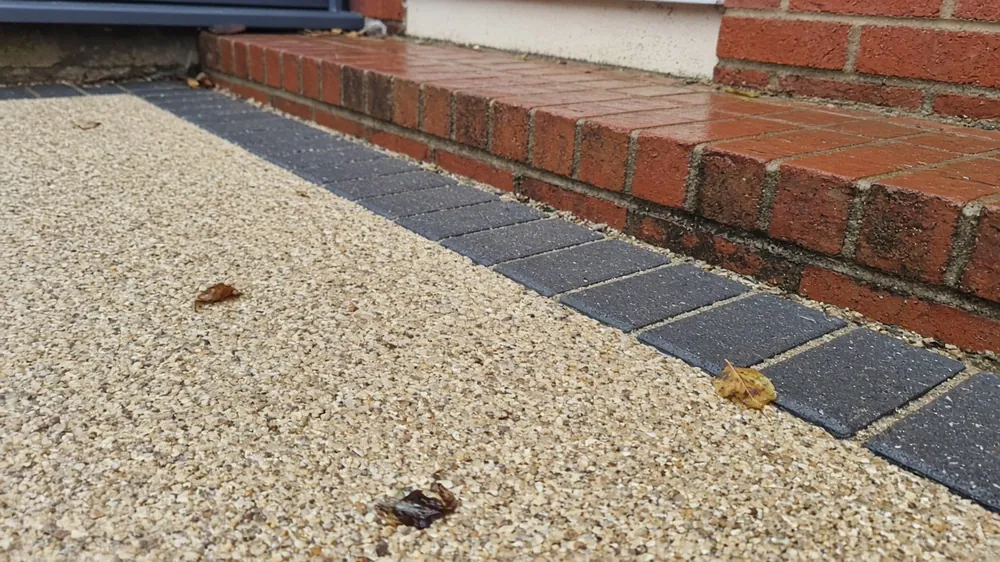
- Edging and borders. Block paving borders, steel edging or contrasting bands add cost but give a crisper finish.
- Drainage. A resin surface drains well, but water still has to go somewhere once it reaches the base. On heavy clay a soakaway or channel drain may be needed.
- Area shape and access. Paths, curves and steps take more time than an open rectangle.
Resin usually costs more upfront than block paving or tarmac. People choose it for how it looks, the low maintenance and the fact that it meets front-garden drainage rules without extra work.
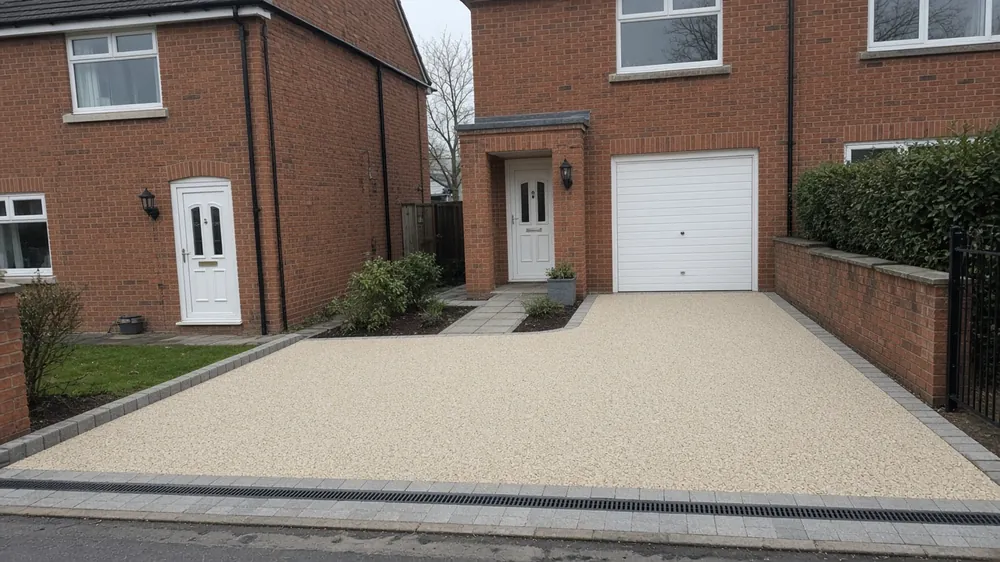
Do you need planning permission for a resin driveway?
In most cases, no. Under the rules in place in England since October 2008, a front garden can be paved without planning permission if the surface is permeable. Resin bound over a porous base counts as permeable, so a resin driveway normally falls under permitted development.
There are exceptions. If the base underneath is solid, non-porous concrete or standard tarmac, the finished surface may not drain the way the rules expect, so check that your quote includes a porous base. Conservation areas, listed buildings and flats can have extra controls. In Middlesbrough the conservation areas are Acklam Hall, Albert Park and Linthorpe Road, Linthorpe, Marton and The Grove, Nunthorpe and Poole, Ormesby Hall, and Stainton and Thornton. If you are in one, speak to Middlesbrough Council's planning team before committing.
Planning permission is separate from crossing the pavement. If your new resin drive needs a dropped kerb, you still need a vehicle pavement crossing licence from the council. See dropped kerbs.
How long does a resin driveway last, and how do you look after it?
Installer and industry guides generally put a well-laid resin bound driveway at 15 to 25 years. The base and the resin quality are what decide whether you get the top or bottom of that range. Common causes of early failure are:
- Laying onto a weak or non-porous base, which leads to cracking or water sitting under the surface.
- Too little resin in the mix, which leaves stones loose and the surface crumbly.
- Laying in damp conditions, which can cloud the finish and weaken the bond.
- Cheap, non-UV-stable resin, which discolours.
Day to day, resin is low maintenance. Sweep it regularly, rinse it occasionally and use a pressure washer on a moderate setting a couple of times a year to keep the pores open. Moss and algae can grow on the surface in shaded spots, but they do not root through. Oil spills should be wiped up quickly. Hot items such as barbecues and skip feet should not sit directly on the surface. Very heavy vehicles turning sharply on a hot day can mark it.
If something does go wrong, small repairs are possible, but matching the colour exactly after the original batch has weathered is difficult. That is another reason to get the base right first time.
Resin, block paving or tarmac?
Resin is a good fit if you want a smooth modern finish, low maintenance, no weeds and a surface that drains without extra work. It is less suited to drives that take heavy vehicles, steep slopes, or owners who want the cheapest possible option.
- Compared with block paving, resin is seamless with no joints to weed, while block paving gives you patterns and can be lifted and relaid in sections. Block paving often lasts longer in industry guides.
- Compared with tarmac, resin offers far more colour choice and a softer look. Tarmac is cheaper and very tough.
- Compared with gravel, resin gives a similar stone look without loose stones on the pavement, at roughly twice the price per square metre.
Many Middlesbrough drives end up as a mix: resin in the main area with a block paving border, or tarmac on a long approach and resin by the house.
Questions people ask
How much does a resin driveway cost per m²?
Around £120 per square metre for supply and installation, on Checkatrade's April 2026 UK averages. Overlaying a sound existing base costs less. A new dig-out, premium stone or complex shapes cost more.
Is resin better than block paving?
Neither is better for every house. Resin is smoother, weed-free and porous. Block paving offers more patterns, can be relaid in patches and is often said to last longer. Your budget, house style and drainage decide it.
Can you put resin over an old concrete drive?
Yes, if the concrete is sound, level and free of major cracks or movement. Cracks in the old slab tend to reappear through the resin, so a badly cracked drive should be dug out and rebuilt with a proper base.
Do resin driveways crack?
They can if they are laid onto a weak base, without enough resin, or in wet conditions. Laid over a well-built porous base with UV-stable resin, cracking is uncommon.
How long before I can drive on new resin?
Usually after 24 to 48 hours, depending on temperature. You can normally walk on it after several hours.
Does a resin driveway need planning permission?
Not usually. Resin bound over a porous base is permeable, so it normally counts as permitted development for front gardens. Check first if you live in a conservation area or a listed building.